





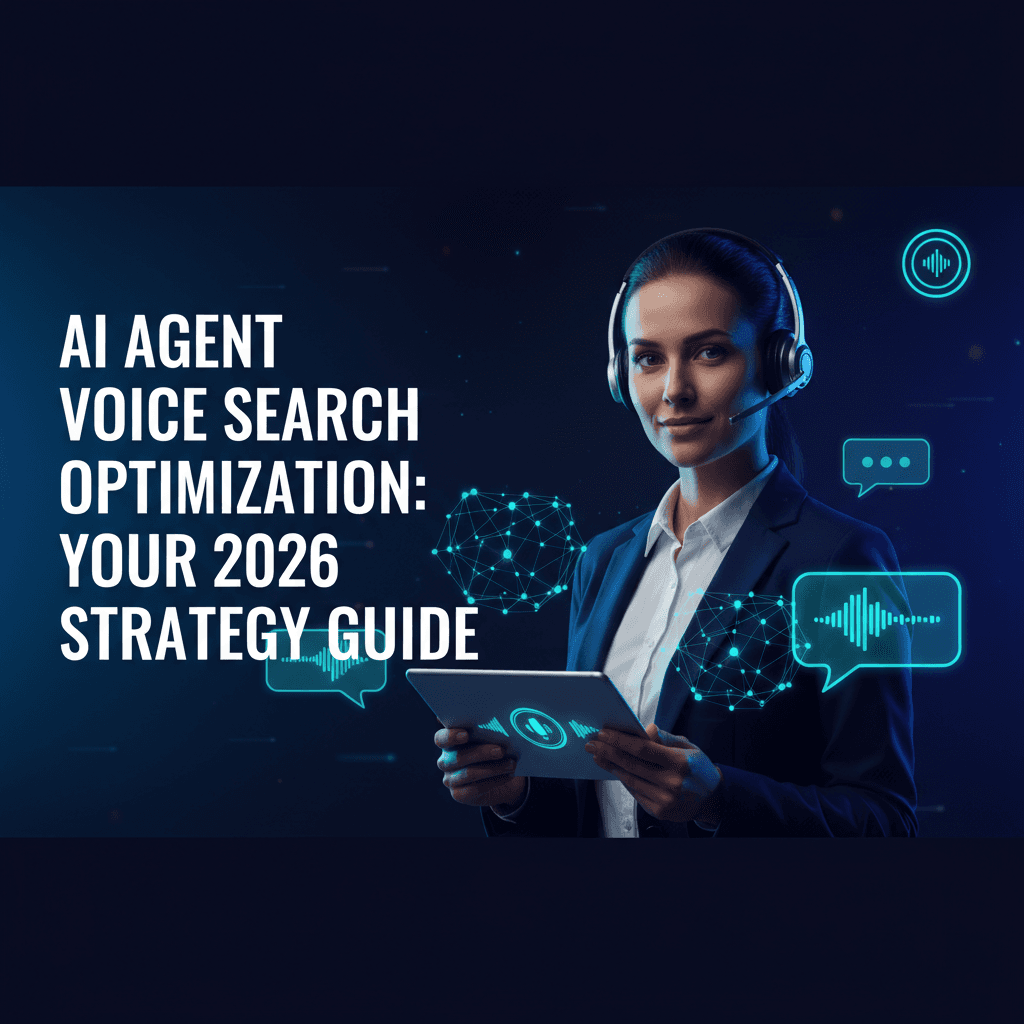
The digital landscape is evolving at warp speed, and at its forefront are AI agents and voice search. As we look towards 2026, optimizing your content for these intelligent interfaces is no longer optional – it's imperative. Traditional SEO is giving way to a more nuanced approach: AI agent voice search optimization. This comprehensive guide will equip you with the strategies and tactics needed to ensure your brand is not just found, but truly understood by Siri, Google Assistant, Alexa, and the next generation of AI-powered answer engines. Get ready to transform your digital presence for the conversational web.
Understanding the Shift: From Keywords to Conversations
The core difference between traditional text-based search and voice search lies in human behavior. When we type, we use short, fragmented keywords. When we speak, we use natural language, asking full questions and expecting direct answers. This fundamental shift demands a new approach to conversational SEO for AI assistants. Your voice search SEO strategy 2026 must prioritize understanding user intent behind spoken queries and delivering concise, relevant information.
Natural Language Keyword Research for Voice Search
Forget single keywords; embrace phrases. Natural language keyword research is paramount for voice search. Users often phrase queries as questions, such as "What's the best way to clean hardwood floors?" instead of "hardwood floor cleaner." Focus on identifying long-tail conversational keywords for voice search. Tools like AnswerThePublic, AlsoAsked, and even Google's "People also ask" section can be invaluable here. Think about the common questions your audience would ask an AI assistant about your products or services.
Specifically, prioritize question-based keywords for voice search. These often start with "who," "what," "where," "when," "why," and "how." By directly answering these questions within your content, you increase your chances of being chosen as the definitive answer by an AI agent.
Content Optimization for AI Agents and Voice Search
Once you've identified your conversational keywords, the next step is to voice search content optimization. This means structuring your content to be easily digestible and directly answer user queries. Think of your content as a conversation with an AI assistant.
Featured Snippets and AI Overviews: The Holy Grail
For voice search, being chosen for a featured snippet is often equivalent to being the only result. AI agents frequently pull their answers directly from these concise, highlighted sections. Therefore, featured snippet optimization for voice queries should be a top priority. Structure your content with clear headings (H2s and H3s), provide direct answers to common questions in the first paragraph of a section, and use lists or tables where appropriate.
Furthermore, with the rise of AI Overviews (formerly SGE), Google is increasingly providing AI-generated summaries directly in search results. Optimizing for these means having comprehensive, authoritative, and well-structured content that AI can easily synthesize. The principles for featured snippets largely apply here too, emphasizing clear, factual, and directly answerable content.
Leveraging Schema Markup for Enhanced Visibility
Schema markup for voice search is crucial. This structured data helps search engines and AI agents understand the context and meaning of your content. Implementing FAQ schema for conversational search is particularly effective. By marking up your frequently asked questions and their answers, you provide AI agents with direct, machine-readable information, increasing the likelihood of your content being used as a voice search answer.
Other relevant schema types include HowTo, LocalBusiness, Product, and Review schema. These provide rich context that AI agents can leverage to deliver more accurate and helpful responses to users. For example, a voice query like "How do I change a flat tire?" could pull directly from your HowTo schema.
Local SEO: The Cornerstone of Voice Search
A significant portion of voice searches are local in nature, such as "find a coffee shop near me" or "what's the best pizza place in [city]?" Therefore, robust local SEO for voice search is non-negotiable. Ensure your Google Business Profile is fully optimized, accurate, and up-to-date. Consistent Name, Address, and Phone (NAP) information across all online directories is vital. Encourage customer reviews, as these play a significant role in local ranking factors for AI agents.
The AI Agent Voice Search Optimization Checklist for 2026
To simplify your efforts, here's a concise voice search optimization checklist to guide your strategy:
- Conduct thorough natural language keyword research, focusing on long-tail and question-based queries.
- Structure content to directly answer these questions concisely, ideally within the first paragraph of a section.
- Optimize for featured snippets by using clear headings, lists, and tables.
- Implement schema markup, especially FAQ and HowTo schema, to provide structured data to AI agents.
- Ensure your Google Business Profile is optimized and consistent for local voice searches.
- Create content that addresses user intent comprehensively, anticipating follow-up questions.
- Focus on improving page speed and mobile-friendliness, as voice users are often on the go.
- Continuously monitor voice search queries and adapt your content strategy.
- Aim for high domain authority and trustworthiness, as AI agents prioritize authoritative sources.
By following these steps, you'll effectively optimize content for Siri Google Assistant and Alexa, positioning your brand for success in the evolving search landscape.
Beyond SEO: Answer Engine Optimization for Voice
The future of search isn't just about finding information; it's about getting direct answers. This is where answer engine optimization for voice search comes into play. It's a holistic approach that goes beyond traditional SEO, focusing on providing the most accurate, concise, and helpful answer to a user's query, regardless of the platform.
This means not just optimizing for keywords, but for intent, context, and the conversational flow. Your content should be designed to be the definitive, spoken answer an AI agent would provide. This requires a deep understanding of your audience's needs and a commitment to creating truly valuable, informative content.
Conclusion: Embrace the Conversational Future
The rise of AI agents and voice search is not a passing trend; it's a fundamental shift in how users interact with information. By proactively implementing a robust AI agent voice search optimization strategy, you can ensure your brand remains visible, relevant, and authoritative in the conversational era. Start optimizing today to secure your digital future in 2026 and beyond.
Frequently Asked Questions About Voice Search Optimization
What is AI agent voice search optimization?
AI agent voice search optimization is the process of optimizing your website content and technical elements to be easily discovered, understood, and utilized by AI assistants like Siri, Google Assistant, and Alexa when users perform voice queries. It focuses on natural language, direct answers, and structured data.
How do long-tail conversational keywords differ from traditional keywords?
Traditional keywords are typically short, fragmented terms (e.g., "best coffee"). Long-tail conversational keywords are longer, more natural phrases that mimic spoken language, often in the form of questions (e.g., "What's the best coffee shop near me that's open now?"). They reflect how people actually speak to AI assistants.
Why is schema markup important for voice search?
Schema markup provides structured data that helps search engines and AI agents understand the context and meaning of your content more effectively. For voice search, specific schema types like FAQ and HowTo can directly feed answers to AI assistants, increasing your chances of being featured as a direct voice response.
How can I optimize for AI Overviews and featured snippets?
To optimize for AI Overviews and featured snippets, focus on providing clear, concise, and direct answers to common questions within your content. Use clear headings, bulleted lists, and tables. Place direct answers early in your paragraphs and ensure your content is authoritative and well-structured, making it easy for AI to extract key information.
What role does local SEO play in voice search?
Local SEO is crucial for voice search because many voice queries have local intent (e.g., "restaurants near me"). Optimizing your Google Business Profile, ensuring consistent NAP information across directories, and accumulating positive customer reviews significantly increases your visibility for local voice searches by AI agents.