



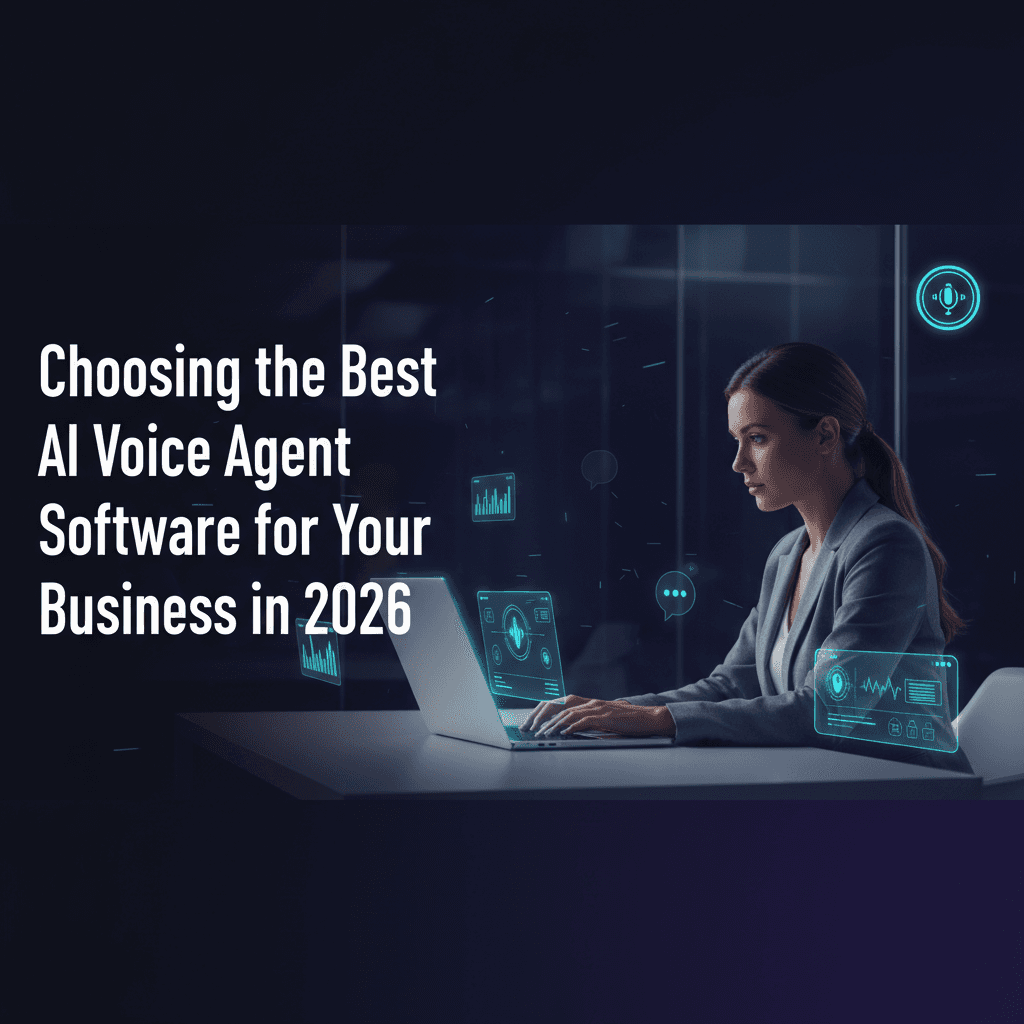
In today's fast-paced business world, efficiency and customer experience are paramount. This is where AI voice agent software steps in, revolutionizing how businesses interact with their customers. From automating routine tasks to handling complex inquiries, AI voice agents are becoming indispensable. But with a rapidly evolving market, how do you choose the best AI voice agent software for 2026? This comprehensive guide will help you navigate the options, focusing on key features like low latency, scalability, compliance, and integration capabilities, while comparing top contenders like Retell, Vapi, Bland, and PolyAI.
Why Invest in AI Voice Agent Software?
The demand for advanced automation is driving the adoption of AI voice agent platforms for phone call automation across various industries. These intelligent systems offer numerous benefits, including:
- 24/7 Availability: Provide round-the-clock support without human agent limitations.
- Cost Reduction: Significantly lower operational costs associated with call centers.
- Improved Customer Satisfaction: Offer instant, consistent, and personalized responses.
- Scalability: Handle high volumes of calls effortlessly, especially crucial for scalable AI voice agent software for high-volume campaigns.
- Data Insights: Collect valuable data from conversations to improve services and sales strategies.
For businesses looking to gain a competitive edge, investing in the right AI voice agent software is no longer an option but a necessity.
Key Features to Look for in AI Voice Agent Software
When evaluating different solutions, consider these critical features:
Real-time Conversational AI and Low Latency
For a natural and effective customer interaction, real-time conversational AI voice agent software is crucial. This means minimal delays between a customer's speech and the agent's response. Look for low latency AI voice agent software for enterprises, as even milliseconds can impact user experience and call flow. Platforms like Retell and Vapi are known for prioritizing low latency, offering a more human-like interaction.
Human-like Interaction and Multilingual Support
The goal is to make customers feel like they're talking to a human. Seek out human-like AI voice agent software for customer service that offers natural language understanding (NLU) and generation (NLG). Additionally, for global businesses, AI voice agent software with multilingual support and ultra-realistic voices is essential to cater to diverse customer bases.
Integration and Compliance
Seamless integration with existing tools is non-negotiable. Ensure the AI voice agent software integrates with CRM and contact center tools to streamline workflows. For sensitive industries, AI voice agent software for healthcare and finance compliance is critical, adhering to regulations like HIPAA or GDPR.
Pricing and Scalability
Understand the pricing model. Many platforms offer AI voice agent software with transparent per-minute pricing, which can be beneficial for managing costs. Furthermore, ensure the solution is scalable AI voice agent software for high-volume campaigns, capable of growing with your business needs.
Comparing Leading AI Voice Agent Software Platforms for 2026
Let's delve into some of the top contenders for best AI voice agent software for 2026:
Retell AI
Retell AI is gaining traction for its focus on ultra-low latency and highly natural conversations. It's an excellent choice for developers seeking an open-source AI voice agent SDK for developers or businesses prioritizing a seamless, real-time experience. Retell is particularly strong for applications requiring immediate and fluid responses, making it a strong contender for real-time conversational AI voice agent software.
Vapi
Vapi offers a robust platform for building and deploying AI voice agents with a strong emphasis on developer-friendliness. Its API-first approach allows for deep customization and integration, making it suitable for businesses with specific technical requirements. Vapi excels in providing the tools for creating sophisticated AI voice agent platforms for phone call automation and can be a good fit for those looking for an enterprise voice AI platform for inbound and outbound calls.
Bland AI
Bland AI focuses on ease of use and rapid deployment, often appealing to businesses looking for a no-code AI voice agent builder for phone automation. While it might offer less granular control than some developer-centric platforms, its simplicity makes it ideal for smaller teams or those new to AI voice technology. Bland is a strong option for AI voice agent software for sales and support teams needing quick setup.
PolyAI
PolyAI specializes in enterprise-grade conversational AI, offering highly sophisticated and customized solutions. Their focus is on delivering truly human-like interactions and handling complex customer journeys, making them a top choice for large organizations requiring robust and reliable enterprise voice AI platform for inbound and outbound calls. PolyAI excels in providing human-like AI voice agent software for customer service at scale.
Use Cases for AI Voice Agent Software
The applications for AI voice agent software are vast and varied:
- Customer Support: Handling FAQs, order status, and basic troubleshooting.
- Sales and Lead Qualification: Engaging prospects, answering questions, and qualifying leads, making it ideal AI voice agent software for sales and support teams.
- Appointment Scheduling: Automating booking and rescheduling, perfect for AI voice agent software for appointment scheduling and lead qualification.
- Healthcare: Patient intake, appointment reminders, and answering common medical questions, with a focus on AI voice agent software for healthcare and finance compliance.
- Finance: Account inquiries, transaction verification, and fraud detection, also requiring robust compliance.
- Outbound Campaigns: Conducting surveys, follow-ups, and proactive customer engagement using scalable AI voice agent software for high-volume campaigns.
Conclusion: Making the Right Choice for 2026
Choosing the best AI voice agent software for 2026 depends heavily on your specific business needs, budget, and technical capabilities. Whether you're a developer looking for an open-source AI voice agent SDK or an enterprise needing a full-fledged enterprise voice AI platform for inbound and outbound calls, the market offers compelling solutions. Prioritize platforms that offer low latency AI voice agent software for enterprises, strong integration capabilities, and transparent pricing. By carefully evaluating these factors, you can select an AI voice agent solution that truly transforms your customer interactions and drives business growth.
Frequently Asked Questions (FAQ)
What is AI voice agent software?
AI voice agent software uses artificial intelligence to conduct natural, human-like conversations over the phone. These agents can understand spoken language, process information, and respond intelligently, automating various tasks from customer service to sales.
How does low latency impact AI voice agents?
Low latency is crucial for creating a natural conversational flow. High latency can lead to awkward pauses, interruptions, and a frustrating experience for the caller, making the interaction feel less human-like. Platforms like Retell are specifically designed for low latency AI voice agent software for enterprises.
Can AI voice agents integrate with existing CRM systems?
Yes, most advanced AI voice agent software integrates with CRM and contact center tools. This allows the AI agent to access customer data for personalized interactions and log conversation details, ensuring a seamless flow of information within your business ecosystem.
Is there a no-code option for building AI voice agents?
Absolutely. Platforms like Bland AI offer a no-code AI voice agent builder for phone automation, enabling businesses to create and deploy voice agents without extensive programming knowledge. These tools typically feature intuitive interfaces and pre-built templates.
What are the pricing models for AI voice agent software?
Pricing models vary but commonly include per-minute usage fees, subscription tiers based on features or call volume, and custom enterprise plans. Many providers offer AI voice agent software with transparent per-minute pricing, allowing businesses to scale costs with usage.